How to Rent a Car in Thailand: The 2026 Ultimate Guide
Planning to rent car Thailand for your next vacation? You're making a great choice. Exploring the Land of Smiles by road offers a level of freedom that trains and domestic flights simply can't match. However, the process of car rental in thailand can be daunting if you don't know the local rules, customs, and potential pitfalls.
In this guide, we'll walk you through exactly how to rent a car in thailand safely, legally, and at the best possible price.
1. Legal Requirements: Do You Need an IDP?
The most common question travelers ask is about the International Driving Permit (IDP).
- Legally: Yes. To legally drive a rental car in Thailand, you must have a valid driving license from your home country plus an IDP (either the 1949 or 1968 convention, depending on your home country's issuance).
- Police Checkpoints: If you are pulled over at a routine checkpoint without an IDP, you will likely face a fine (typically 500–1,000 THB).
- Insurance: Most importantly, if you have an accident and don't hold a valid IDP, your insurance provider will likely void your coverage entirely.
2. Choosing the Right Provider
When looking for car rental in thailand, you generally have two main choices:
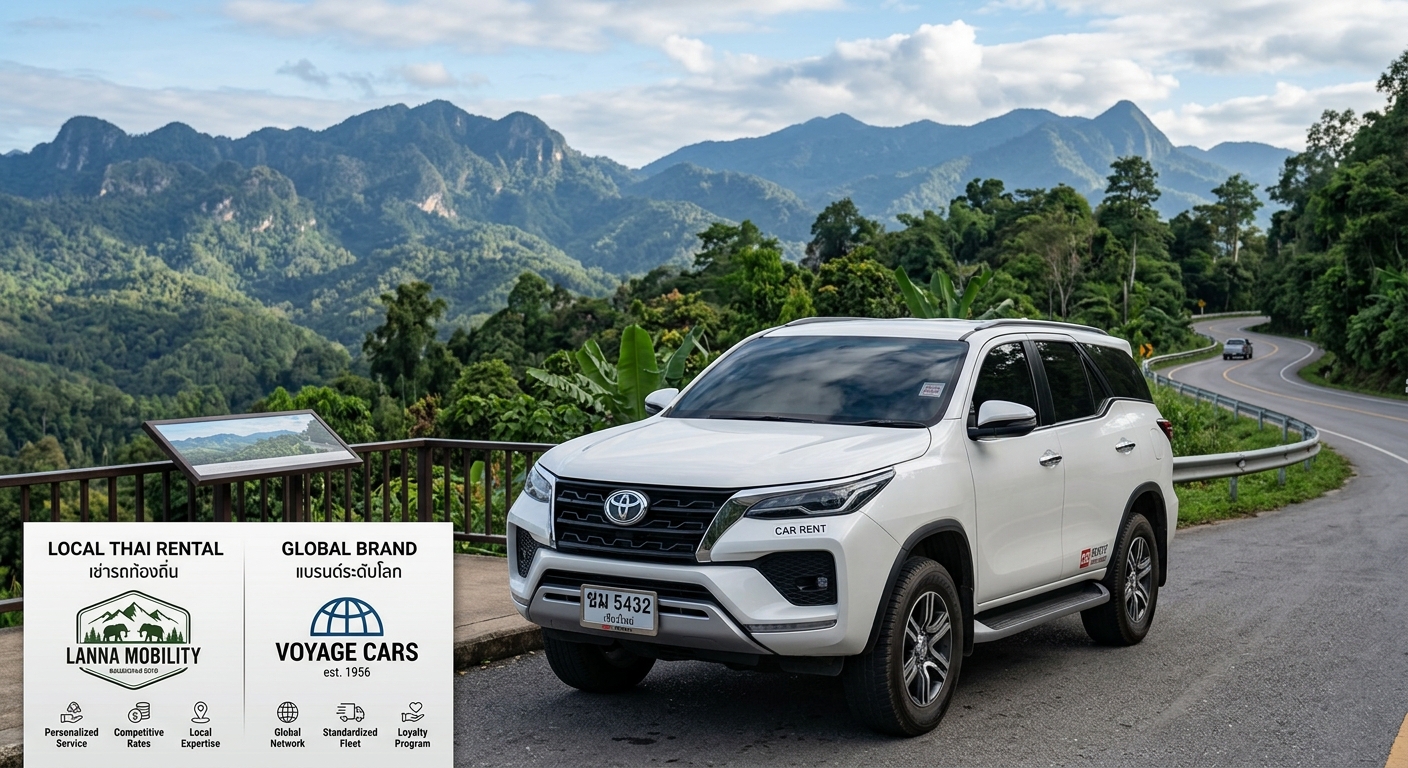
- Global Brands: Names like Hertz or Budget. They are reliable and have standardized fleets, but they are often significantly more expensive and have rigid booking rules.
- Local Verified Providers: Smaller, local companies often provide better customer service, more flexible delivery options, and much more competitive rates.
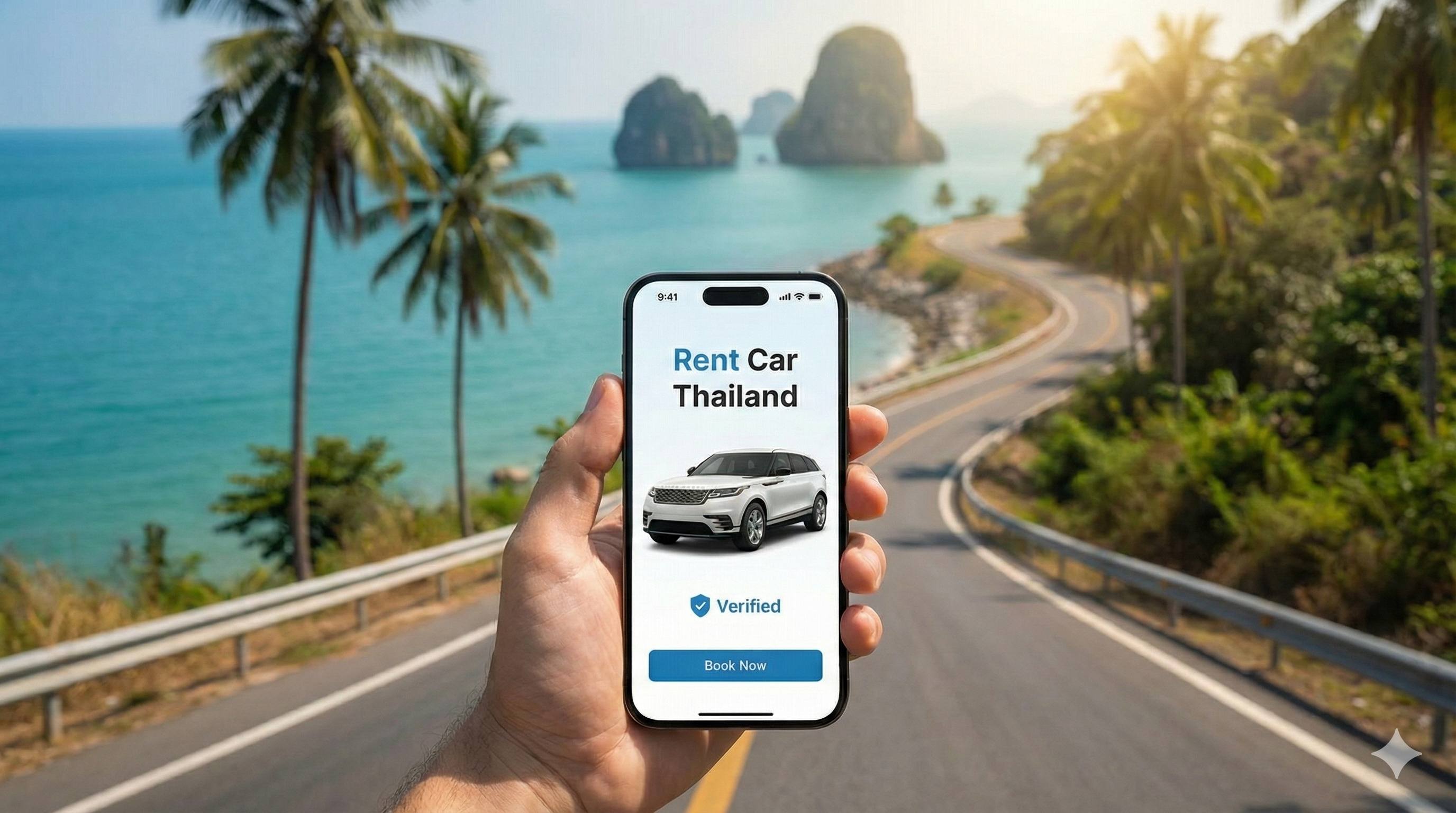
Pro Tip: Use a trusted marketplace like Rent Car Thailand to find local providers who have been personally verified and utilize our modern digital handover protocols.
3. Understanding Insurance Tiers
Don't skip the fine print on insurance. Standard rentals usually include:
- CTP (Compulsory Third Party): Very basic government-mandated insurance that covers minimal medical liability, not the vehicle itself.
- CDW (Collision Damage Waiver): Limits your financial liability for damage to the car, but usually comes with an "excess" or deductible (often between 5,000–15,000 THB).
We highly recommend opting for SCDW (Super Collision Damage Waiver) or "Zero Excess" insurance. For a few extra hundred Baht per day, it eliminates your financial risk entirely if a minor scratch or accident happens.
4. The "Passport Hostage" Situation
A common, outdated practice among smaller, unverified rental shops is asking to keep your original passport as a deposit.
Never do this. Your passport is your only legal identification in a foreign country. Instead, look for modern providers who:
- Accept a cash or credit card authorization deposit.
- Are satisfied with a digital KYC (Know Your Customer) verification via an app.
- Only need to take a quick photo or photocopy of your passport ID page and entry stamp.
5. The Digital Handover: Protecting Your Deposit
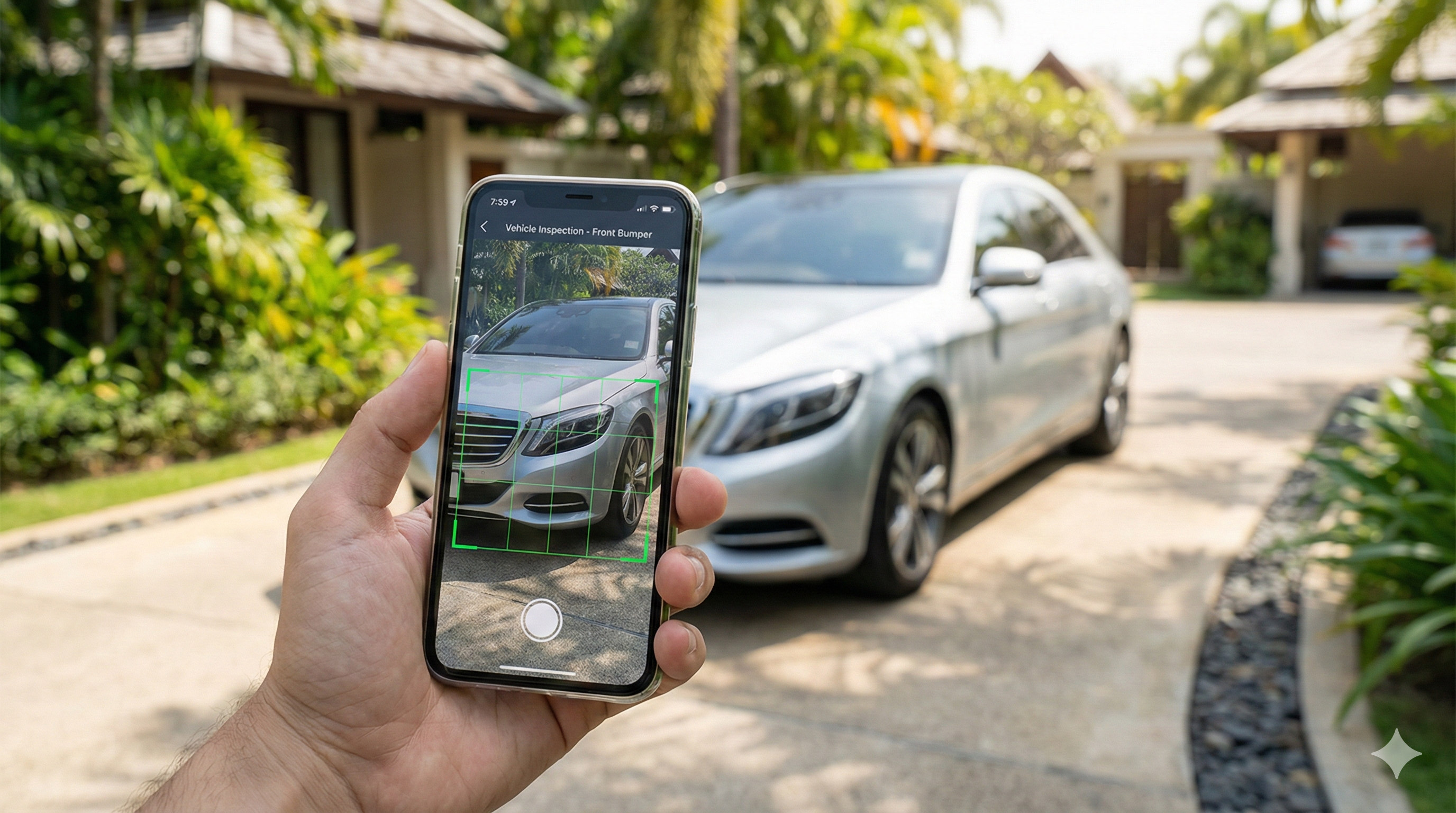
The biggest fear when you rent car thailand is returning the vehicle and being charged for pre-existing scratches or dents.
Always perform a thorough inspection. At Rent Car Thailand, we've standardized this with a Digital Handover Protocol. You take photos and videos directly within our platform before taking the keys, which are timestamped and shared with the provider. This evidence-based approach ensures you never pay for a scratch you didn't cause.
Ready to hit the road?
Now that you know exactly how to rent a car in thailand, it's time to find your perfect vehicle. Whether you need a compact sedan to navigate the busy streets of Bangkok, a rugged 4x4 to explore the mountains of Chiang Mai, or a comfortable PHEV for a scenic drive up through Chiang Rai, we have you covered.